Lieu de vie · 2016   It’s been five years now since the Syrian war started. More than two hundred and fifty thousand people have died, and up to five million have abandoned their homes. Most of them are living below the poverty threshold in Lebanon

Lieu de vie · 2016

It’s been five years now since the Syrian war started. More than two hundred and fifty thousand people have died, and up to five million have abandoned their homes. Most of them are living below the poverty threshold in Lebanon, Turkey, Jordan and Egypt. A minority, hundreds of thousands, leave with the clothes on their backs on their way to Europe on a dangerous journey. They even do it knowing the Mediterranean sea has already swallowed thousands of lives in their attempt. So they will keep on trying it in spite of the fierce resistance imposed by European politics, breaking the basic principles of the international laws and the humanitarian help over and over.

Lieu de vie is the glance at an instant of the lives of eighty people running away from the war, the terror and the misery, looking for a place in life.

Lieu de vie is the inscription that can be read on the plastic walls of the shacks which make up the biggest settlement of refugees in Europe, on the outskirts of Calais (France).
 A Syrian girl drags her belongings along the way from Miratovac to Presevo, Macedonian-Serbian border, January 2016. Since last winter Europol has reported the disappearance of at least ten thousand refugee children traveling alone in European terri

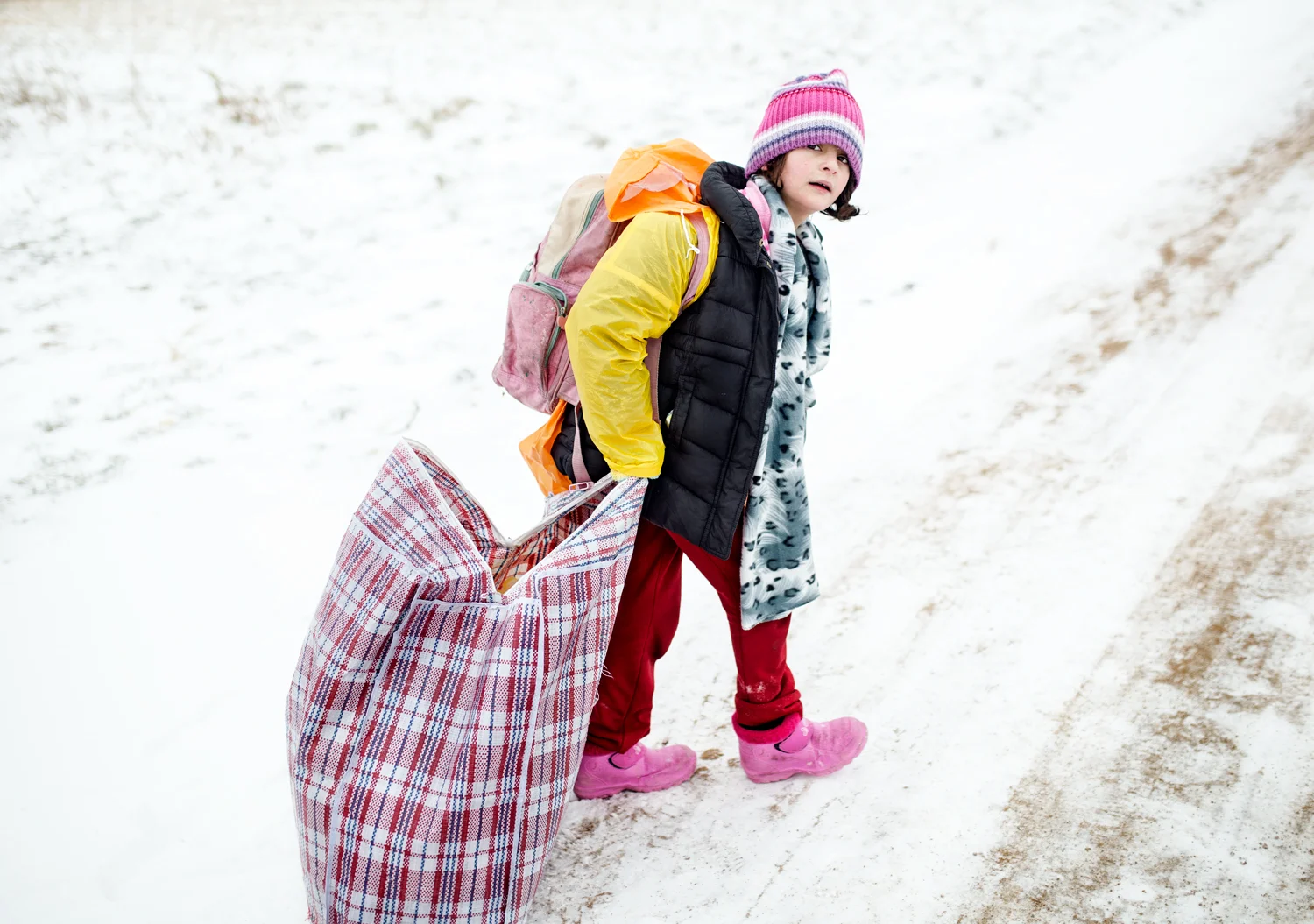
A Syrian girl drags her belongings along the way from Miratovac to Presevo, Macedonian-Serbian border, January 2016. Since last winter Europol has reported the disappearance of at least ten thousand refugee children traveling alone in European territory.
 A group of young men heading towards the refugee camp of Presevo, Serbia, January 2016. Some European leaders have not ceased criminalizing and identifying this section of the population as terrorists in order to justify their policies rejecting the

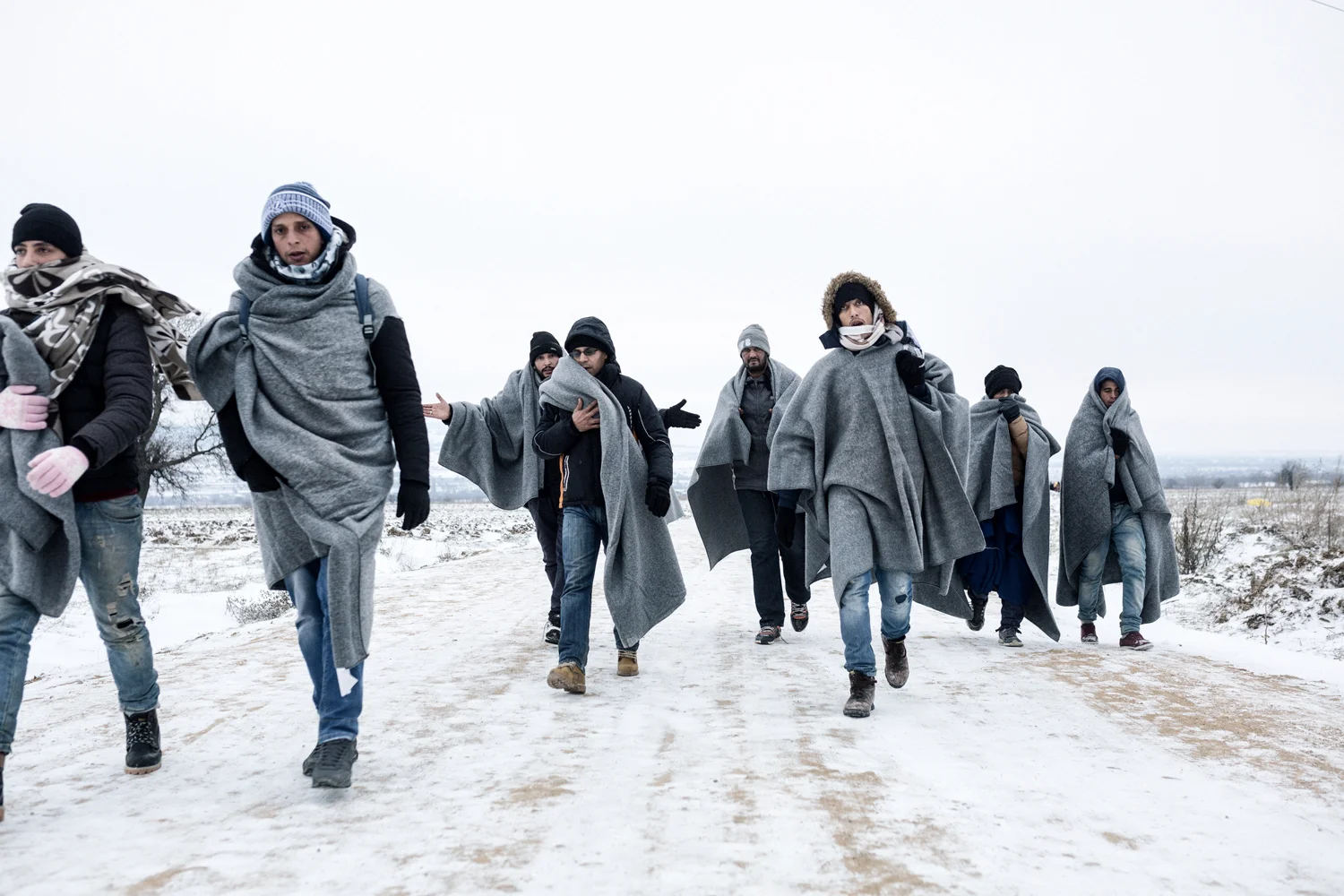
A group of young men heading towards the refugee camp of Presevo, Serbia, January 2016. Some European leaders have not ceased criminalizing and identifying this section of the population as terrorists in order to justify their policies rejecting their right to asylum.
 Two Afghan siblings pose on the way from Miratovac to Presevo, Macedonian-Serbian border, January 2016. Last winter the provision of winter clothes and hot food were the main priorities for humanitarian organizations.
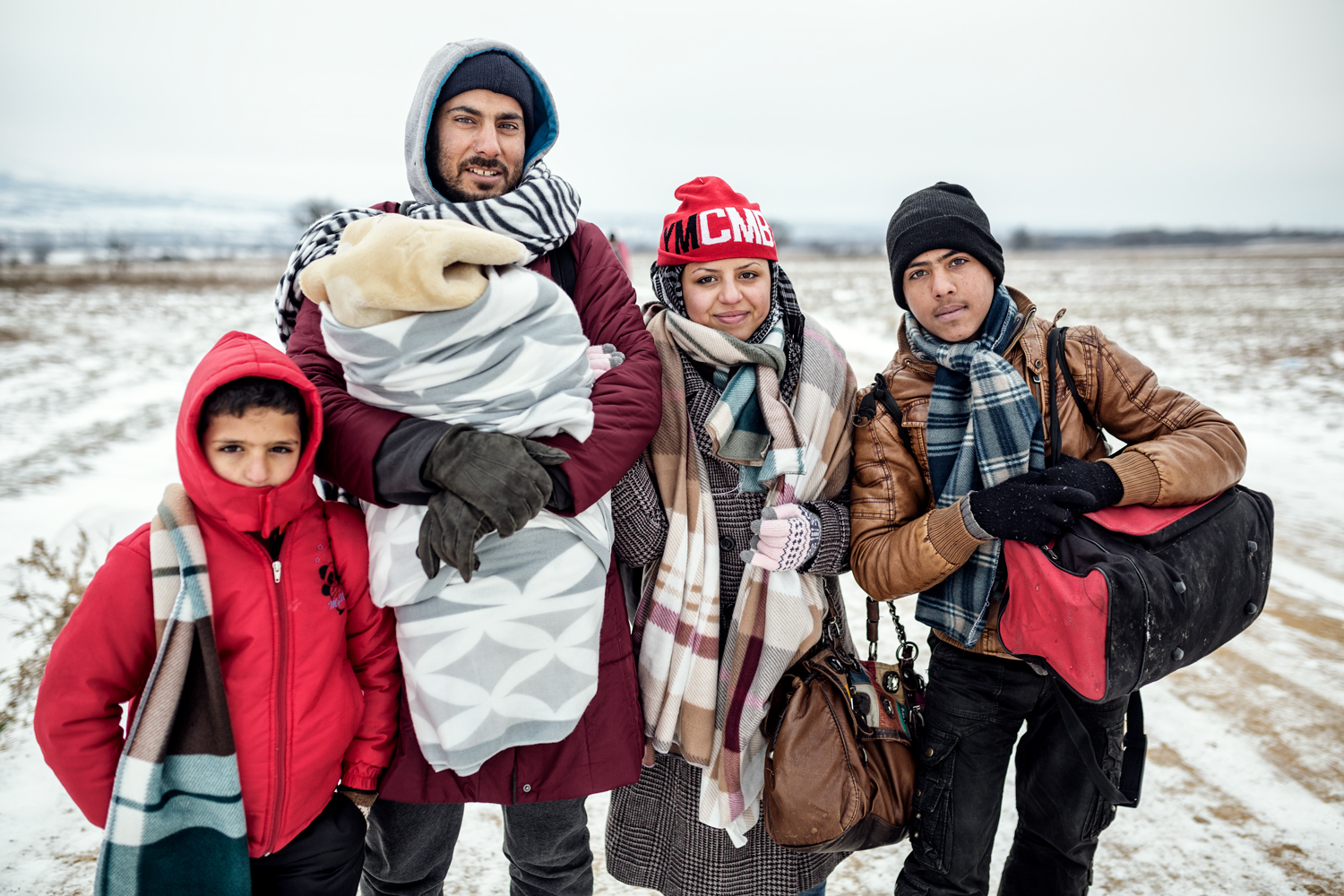
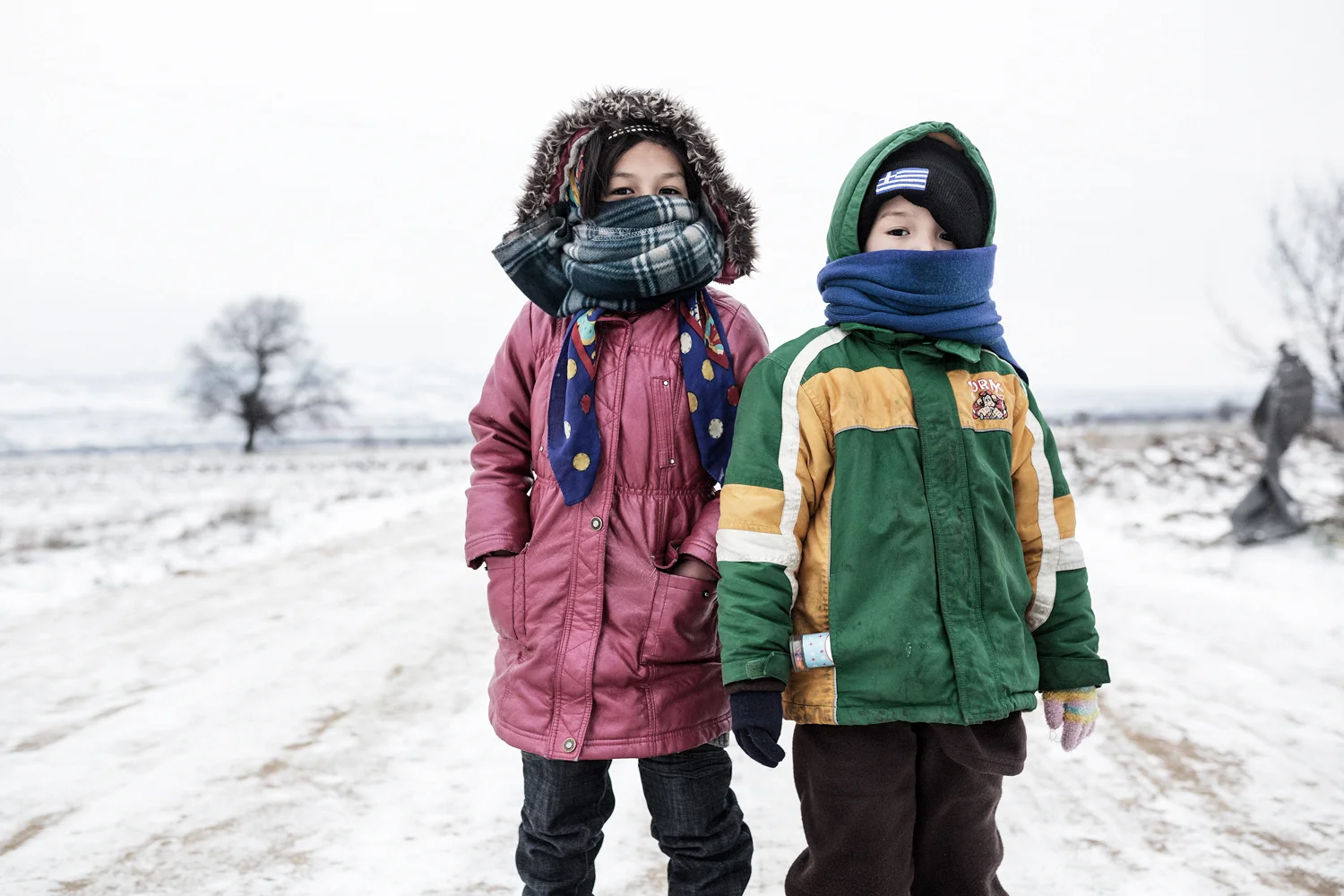
Two Afghan siblings pose on the way from Miratovac to Presevo, Macedonian-Serbian border, January 2016. Last winter the provision of winter clothes and hot food were the main priorities for humanitarian organizations.

 An Iraqi family on the way from Miratovac to Presevo, Serbia, January 2016. Many of the families that fled from Syria or Iraq committed all their assets to make this journey that, until the Balkans, it takes around a month walking.
An Iraqi family on the way from Miratovac to Presevo, Serbia, January 2016. Many of the families that fled from Syria or Iraq committed all their assets to make this journey that, until the Balkans, it takes around a month walking.

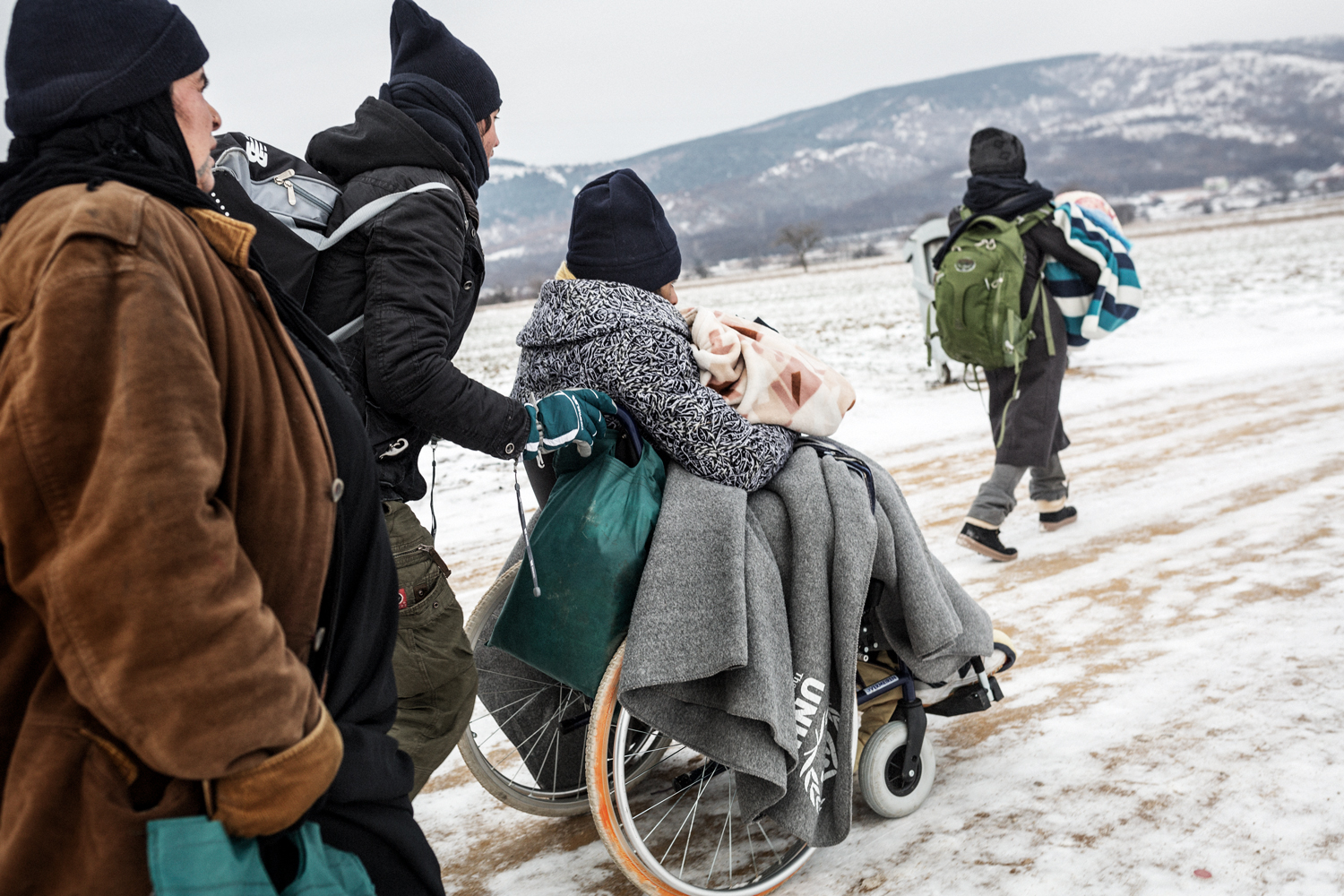
 A family crosses the Balkans route pushing the wheelchair of a family member, Serbia, January 2016. People with disabilities and their families suffered a longer and more costly journey and were more at risk of falling into mafia networks.
A family crosses the Balkans route pushing the wheelchair of a family member, Serbia, January 2016. People with disabilities and their families suffered a longer and more costly journey and were more at risk of falling into mafia networks.

 A group of people crowds around the border point of Greece with Macedonia in Idomeni before its imminent closure, January 2016. During the night of 18th November 2015 Macedonia, Serbia, and Croatia forewarning amended their border policies leaving t

A group of people crowds around the border point of Greece with Macedonia in Idomeni before its imminent closure, January 2016. During the night of 18th November 2015 Macedonia, Serbia, and Croatia forewarning amended their border policies leaving thousands of people stranded.
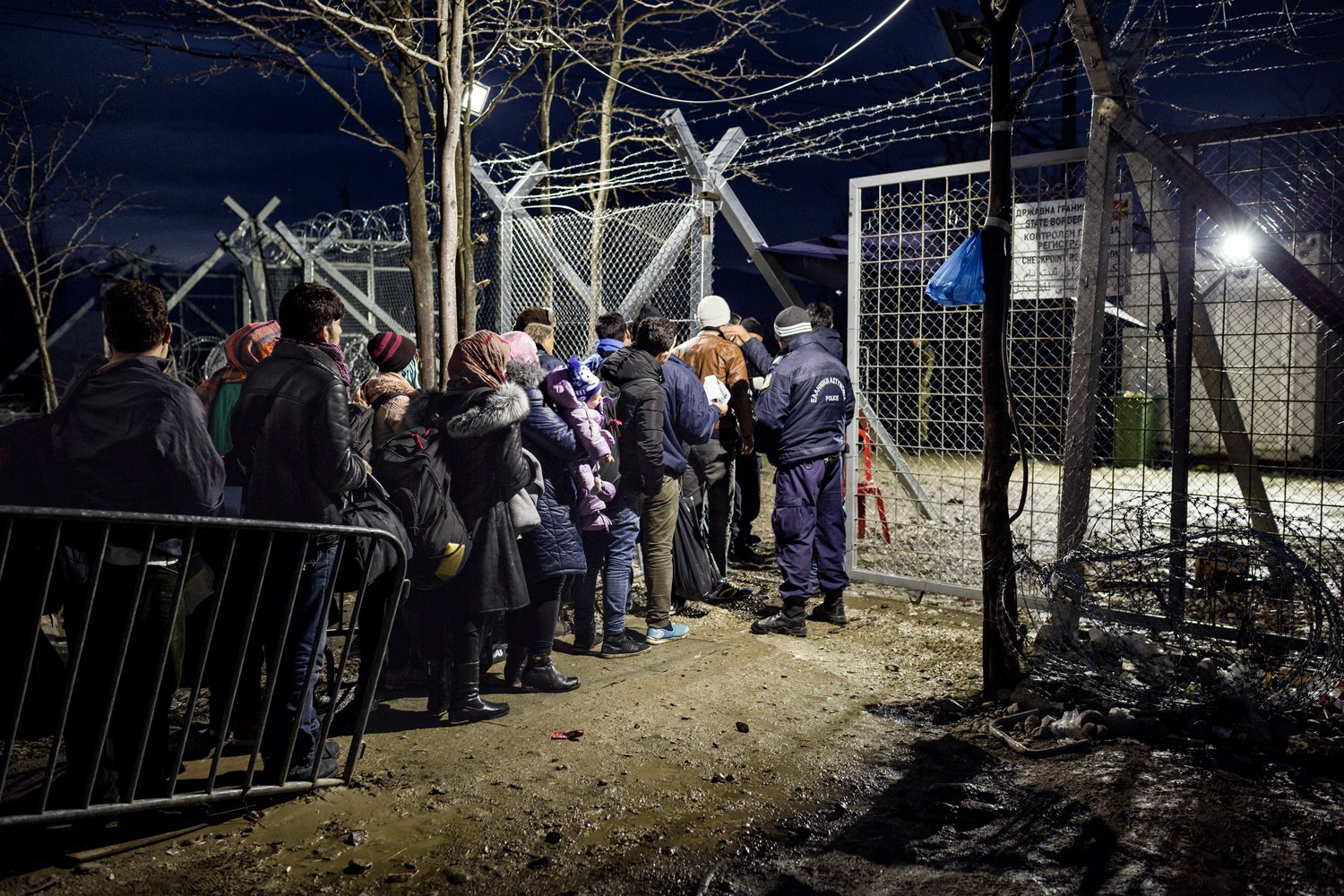
 A group of people gets ready to cross into Macedonia at the border point of Idomeni, January 2016. The closure of this border meant the separation of many families and the overcrowding of thousands of people in Greek territory.
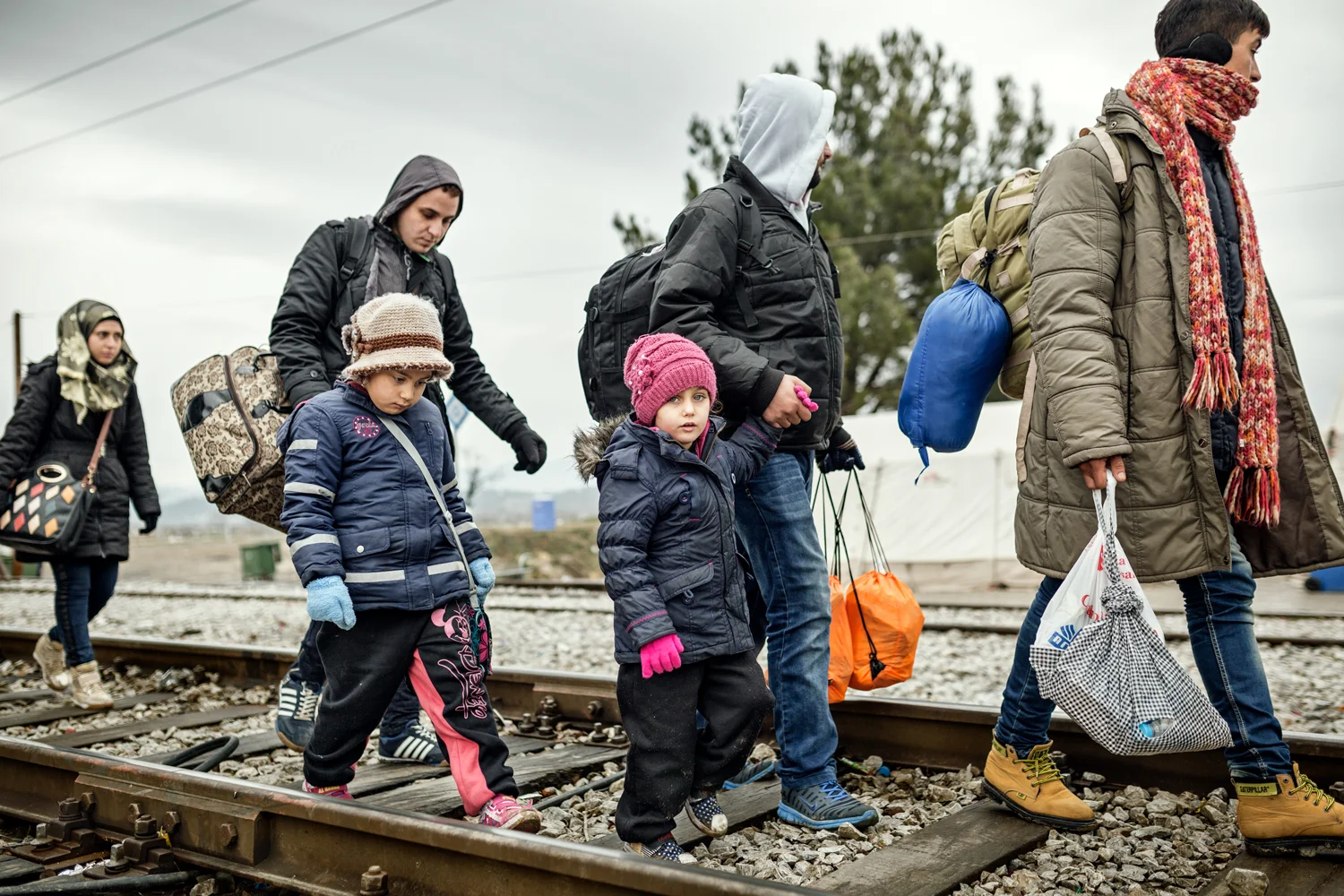
A group of people gets ready to cross into Macedonia at the border point of Idomeni, January 2016. The closure of this border meant the separation of many families and the overcrowding of thousands of people in Greek territory.

 Some Iranian families are forced to turn back after not being permitted to cross the border with Macedonia because of their nationality, Idomeni, January 2016. Since November of 2015 European Union have declared that the only people able to cross th

Some Iranian families are forced to turn back after not being permitted to cross the border with Macedonia because of their nationality, Idomeni, January 2016. Since November of 2015 European Union have declared that the only people able to cross the borders are citizens from Syria, Iraq, and Afghanistan.
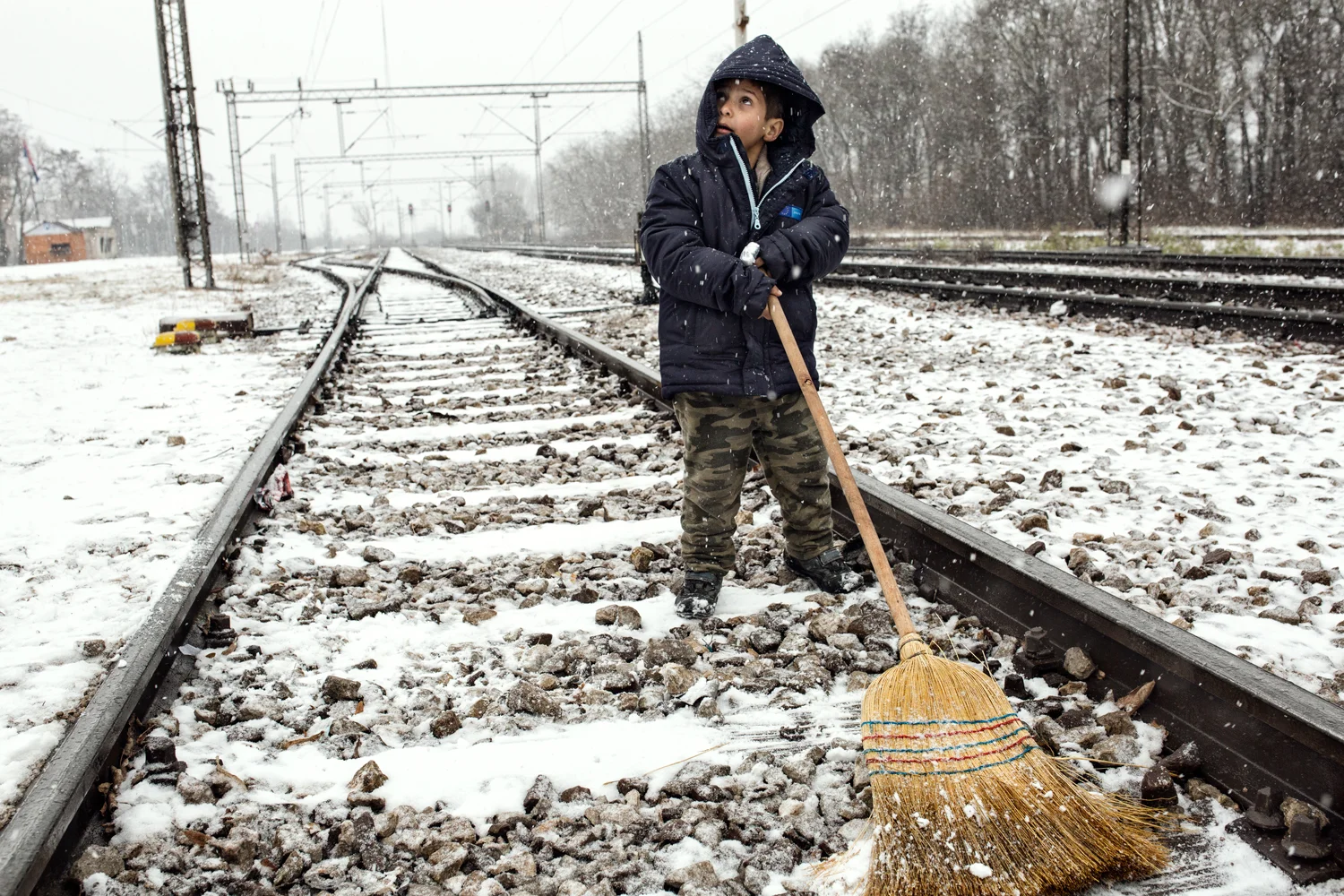
 A Syrian child plays sweeping the snow from the railway tracks in Presevo, Serbia, January 2016.

A Syrian child plays sweeping the snow from the railway tracks in Presevo, Serbia, January 2016.
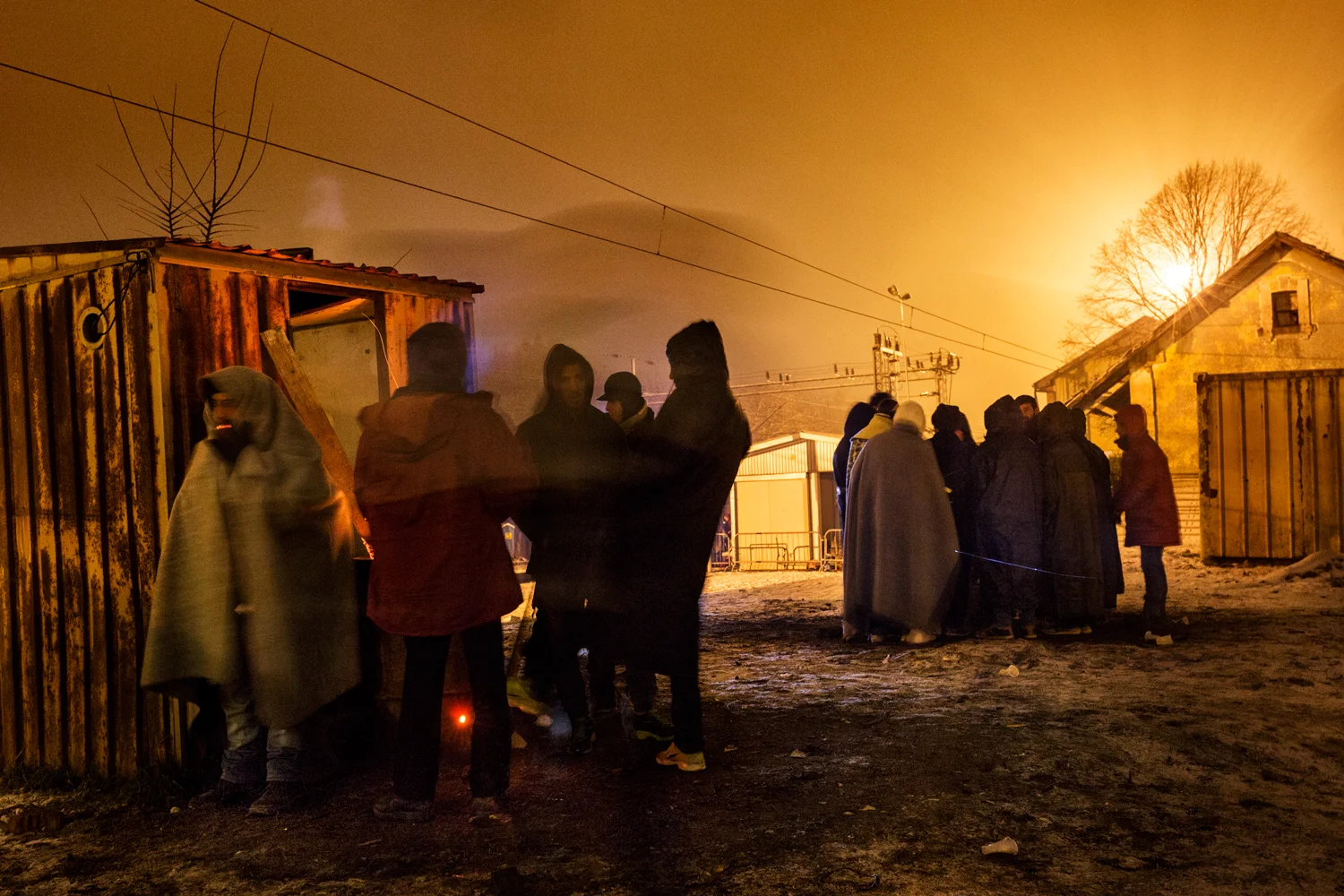
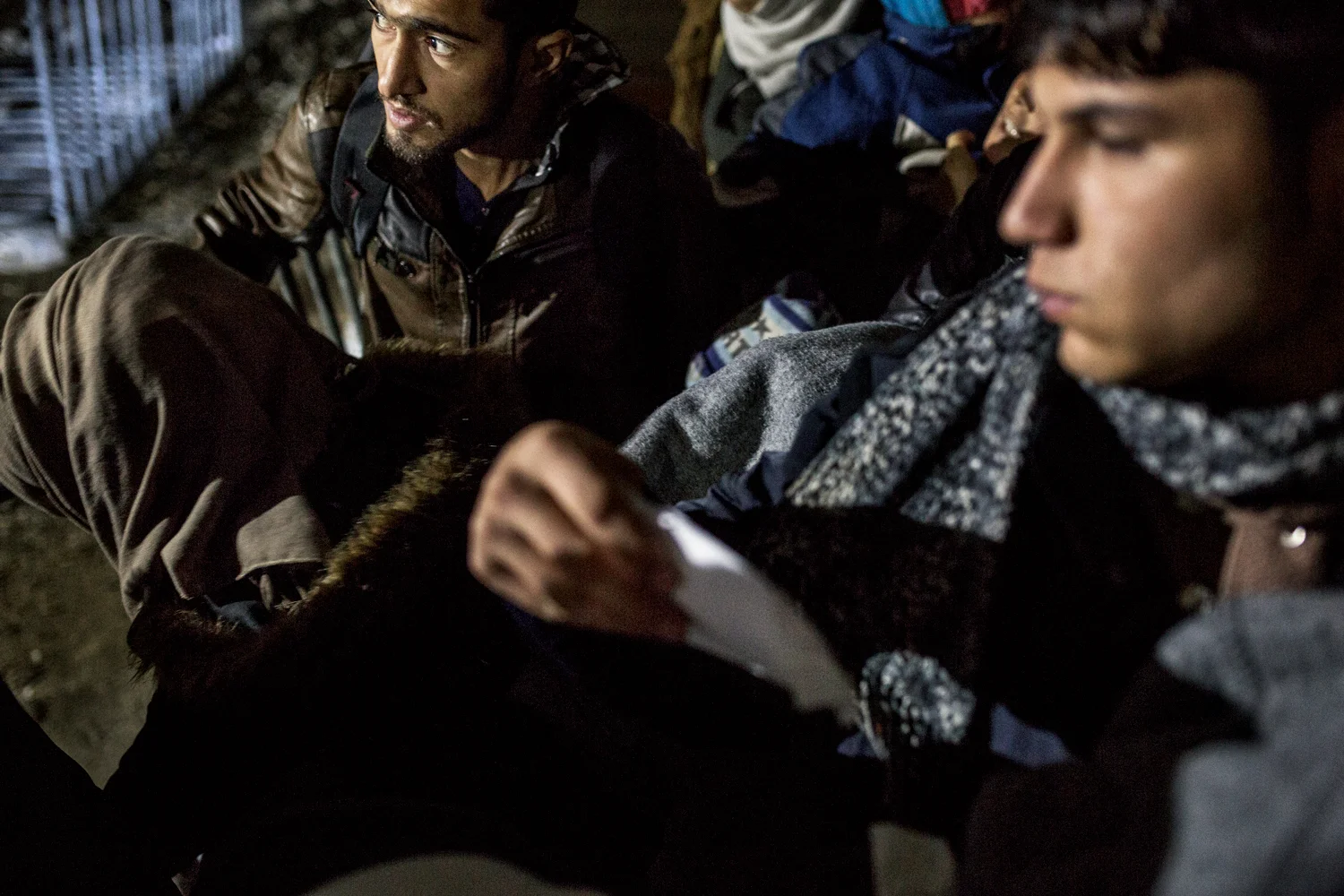
 Syrian and Afghan youths protect themselves from the cold with bonfires that populated the platform of the train station of Presevo, Serbia, January 2016. At nightfall, the temperatures plummet and in the tents, there is only room for women and chil

Syrian and Afghan youths protect themselves from the cold with bonfires that populated the platform of the train station of Presevo, Serbia, January 2016. At nightfall, the temperatures plummet and in the tents, there is only room for women and children and the elderly.
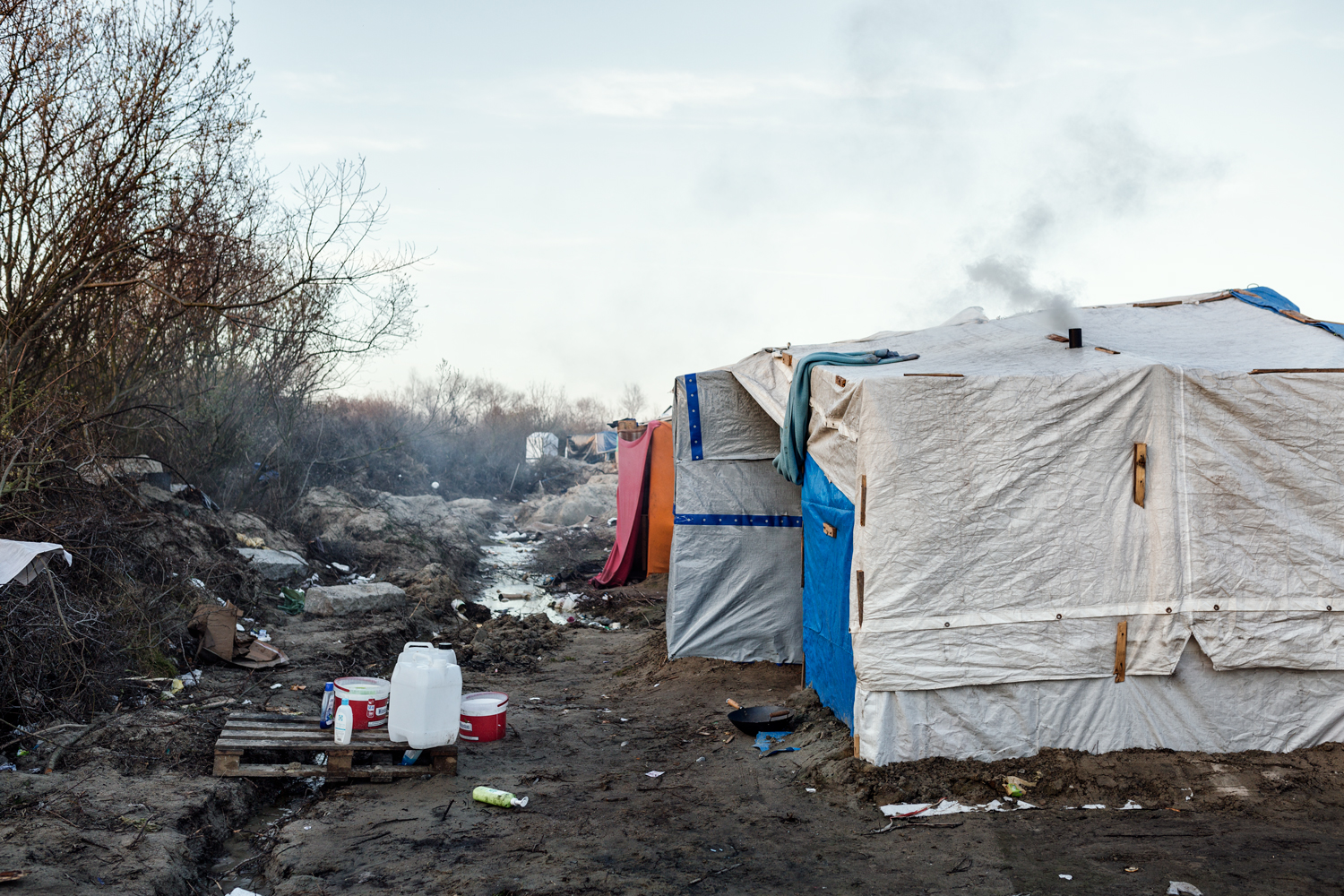
 Shacks built with material and plastic on the outskirts of the Calais port. This settlement is home to close to six thousand migrants and refugees, living in overcrowded and miserable conditions as they attempt to look for a dignified life in Great

Shacks built with material and plastic on the outskirts of the Calais port. This settlement is home to close to six thousand migrants and refugees, living in overcrowded and miserable conditions as they attempt to look for a dignified life in Great Britain.
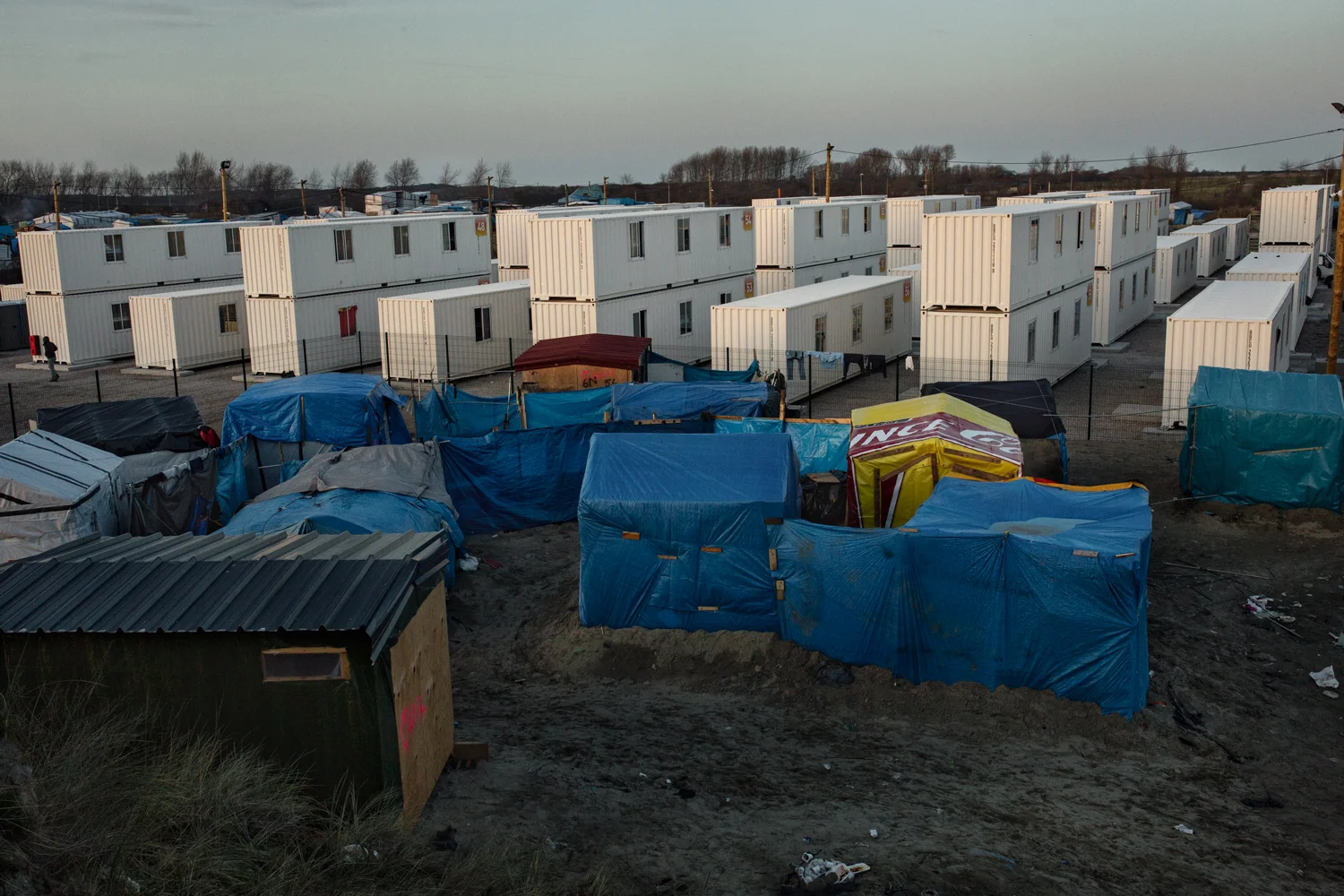
 Containers and shacks form the landscape of the Calais Jungle, France, March 2016. Since February 2016 the French government has been dismantling areas of the settlement in order to relocate refugees and migrants against their will in more controlle

Containers and shacks form the landscape of the Calais Jungle, France, March 2016. Since February 2016 the French government has been dismantling areas of the settlement in order to relocate refugees and migrants against their will in more controlled zones.
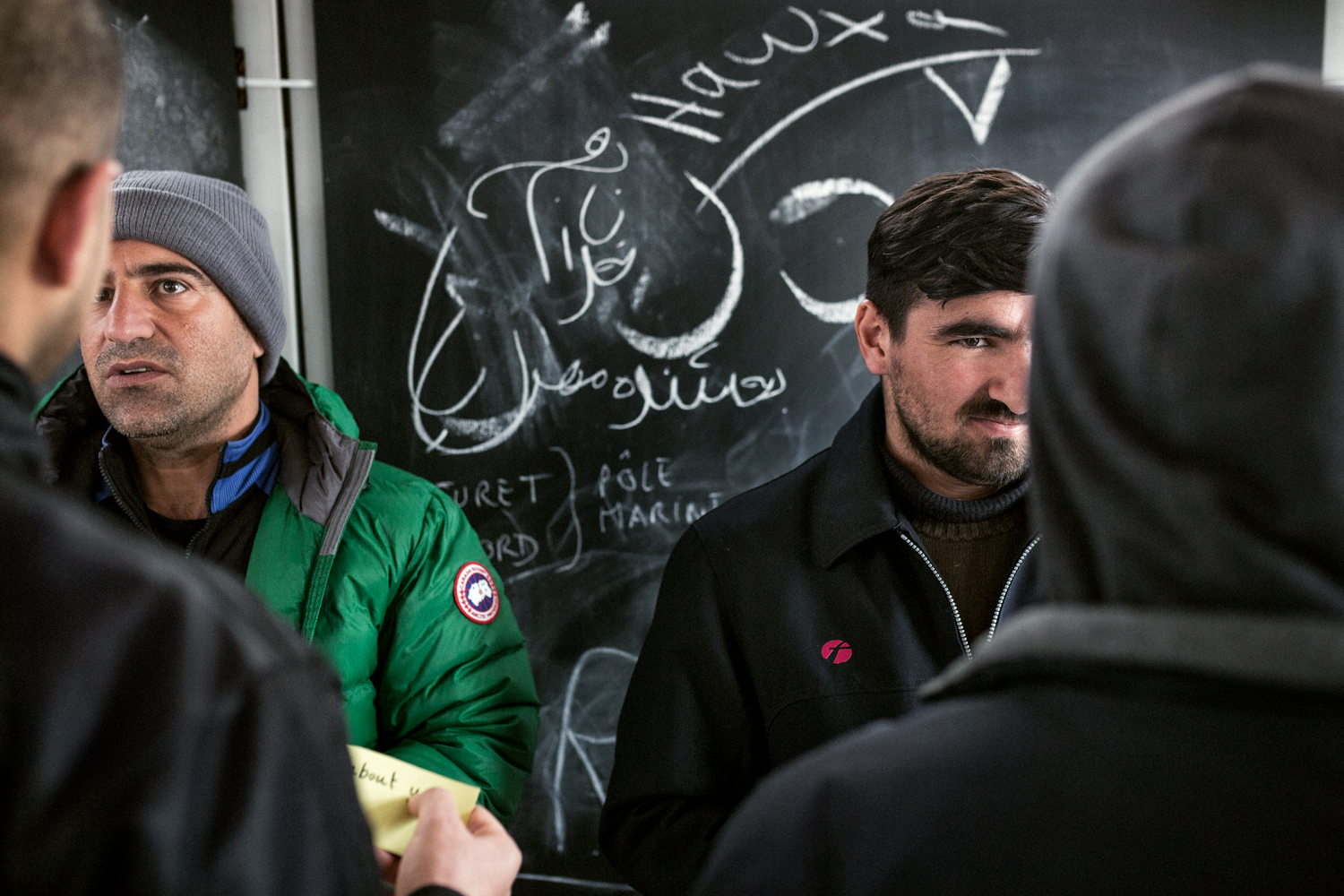
 A group of Kurdish refugees attends an English class in the new camp of Grande-Synthe, France, March 2016. Learning English keeps alive the hope of one day crossing the channel and to begin a new life.
A group of Kurdish refugees attends an English class in the new camp of Grande-Synthe, France, March 2016. Learning English keeps alive the hope of one day crossing the channel and to begin a new life.

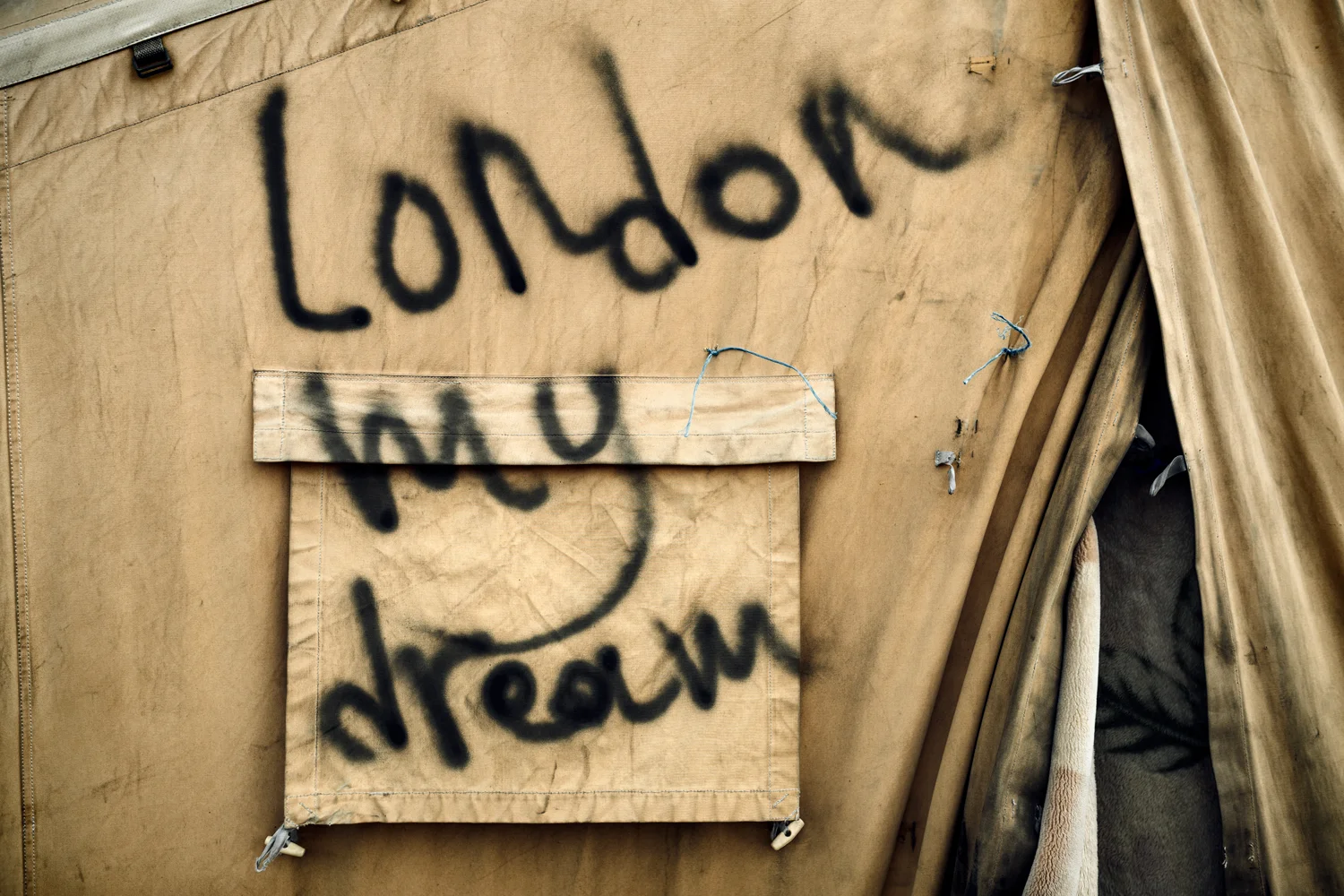
 Graffiti at the entrance of a tent in Calais Jungle, France, March 2016.

Graffiti at the entrance of a tent in Calais Jungle, France, March 2016.

 A young Afghan boy gets ready to hit a cricket ball as the sun sets in the Calais Jungle, France, March 2016. Sport in refugee camps is always an opportunity to escape from routine and revive happy sensations.

A young Afghan boy gets ready to hit a cricket ball as the sun sets in the Calais Jungle, France, March 2016. Sport in refugee camps is always an opportunity to escape from routine and revive happy sensations.

 Muhammad, 75 Afghan, takes a moment to rest in Miratovac during his long journey. The elderly make up only five percent of refugees. Their reduced mobility and a high rate of chronic illnesses that they suffer means they are one of the most vulnerab

Muhammad, 75 Afghan, takes a moment to rest in Miratovac during his long journey. The elderly make up only five percent of refugees. Their reduced mobility and a high rate of chronic illnesses that they suffer means they are one of the most vulnerable groups.

 A Syrian child waits together his sister for the opening of the border pass between Greece and Macedonia, January 2016.

A Syrian child waits together his sister for the opening of the border pass between Greece and Macedonia, January 2016.

 Abdala and his grandson, 6, wait for the train in Presevo station. Serbia, January 2016. They have traveled alone from Afghanistan on the way to the UK.

Abdala and his grandson, 6, wait for the train in Presevo station. Serbia, January 2016. They have traveled alone from Afghanistan on the way to the UK.

 An elderly man covers his head with a blanket to protect himself from subzero temperatures next to Miratovac, Serbia, January 2016.

An elderly man covers his head with a blanket to protect himself from subzero temperatures next to Miratovac, Serbia, January 2016.

 A woman takes part in a protest rejecting migration policies by the European Union, Puerta del Sol, Madrid, April 2016.

A woman takes part in a protest rejecting migration policies by the European Union, Puerta del Sol, Madrid, April 2016.

 A dumping ground for lifejackets in the island of Lesbos, Greece, January 2016. This year more than three thousand people have lost their lives trying to reach European coasts in search of refuge.

A dumping ground for lifejackets in the island of Lesbos, Greece, January 2016. This year more than three thousand people have lost their lives trying to reach European coasts in search of refuge.

  Lieu de vie · 2016   It’s been five years now since the Syrian war started. More than two hundred and fifty thousand people have died, and up to five million have abandoned their homes. Most of them are living below the poverty threshold in Lebanon
 A Syrian girl drags her belongings along the way from Miratovac to Presevo, Macedonian-Serbian border, January 2016. Since last winter Europol has reported the disappearance of at least ten thousand refugee children traveling alone in European terri
 A group of young men heading towards the refugee camp of Presevo, Serbia, January 2016. Some European leaders have not ceased criminalizing and identifying this section of the population as terrorists in order to justify their policies rejecting the
 Two Afghan siblings pose on the way from Miratovac to Presevo, Macedonian-Serbian border, January 2016. Last winter the provision of winter clothes and hot food were the main priorities for humanitarian organizations.
 An Iraqi family on the way from Miratovac to Presevo, Serbia, January 2016. Many of the families that fled from Syria or Iraq committed all their assets to make this journey that, until the Balkans, it takes around a month walking.
 A family crosses the Balkans route pushing the wheelchair of a family member, Serbia, January 2016. People with disabilities and their families suffered a longer and more costly journey and were more at risk of falling into mafia networks.
 A group of people crowds around the border point of Greece with Macedonia in Idomeni before its imminent closure, January 2016. During the night of 18th November 2015 Macedonia, Serbia, and Croatia forewarning amended their border policies leaving t
 A group of people gets ready to cross into Macedonia at the border point of Idomeni, January 2016. The closure of this border meant the separation of many families and the overcrowding of thousands of people in Greek territory.
 Some Iranian families are forced to turn back after not being permitted to cross the border with Macedonia because of their nationality, Idomeni, January 2016. Since November of 2015 European Union have declared that the only people able to cross th
 A Syrian child plays sweeping the snow from the railway tracks in Presevo, Serbia, January 2016.
 Syrian and Afghan youths protect themselves from the cold with bonfires that populated the platform of the train station of Presevo, Serbia, January 2016. At nightfall, the temperatures plummet and in the tents, there is only room for women and chil
 Shacks built with material and plastic on the outskirts of the Calais port. This settlement is home to close to six thousand migrants and refugees, living in overcrowded and miserable conditions as they attempt to look for a dignified life in Great
 Containers and shacks form the landscape of the Calais Jungle, France, March 2016. Since February 2016 the French government has been dismantling areas of the settlement in order to relocate refugees and migrants against their will in more controlle
 A group of Kurdish refugees attends an English class in the new camp of Grande-Synthe, France, March 2016. Learning English keeps alive the hope of one day crossing the channel and to begin a new life.
 Graffiti at the entrance of a tent in Calais Jungle, France, March 2016.
 A young Afghan boy gets ready to hit a cricket ball as the sun sets in the Calais Jungle, France, March 2016. Sport in refugee camps is always an opportunity to escape from routine and revive happy sensations.
 Muhammad, 75 Afghan, takes a moment to rest in Miratovac during his long journey. The elderly make up only five percent of refugees. Their reduced mobility and a high rate of chronic illnesses that they suffer means they are one of the most vulnerab
 A Syrian child waits together his sister for the opening of the border pass between Greece and Macedonia, January 2016.
 Abdala and his grandson, 6, wait for the train in Presevo station. Serbia, January 2016. They have traveled alone from Afghanistan on the way to the UK.
 An elderly man covers his head with a blanket to protect himself from subzero temperatures next to Miratovac, Serbia, January 2016.
 A woman takes part in a protest rejecting migration policies by the European Union, Puerta del Sol, Madrid, April 2016.
 A dumping ground for lifejackets in the island of Lesbos, Greece, January 2016. This year more than three thousand people have lost their lives trying to reach European coasts in search of refuge.

Lieu de vie · 2016

It’s been five years now since the Syrian war started. More than two hundred and fifty thousand people have died, and up to five million have abandoned their homes. Most of them are living below the poverty threshold in Lebanon, Turkey, Jordan and Egypt. A minority, hundreds of thousands, leave with the clothes on their backs on their way to Europe on a dangerous journey. They even do it knowing the Mediterranean sea has already swallowed thousands of lives in their attempt. So they will keep on trying it in spite of the fierce resistance imposed by European politics, breaking the basic principles of the international laws and the humanitarian help over and over.

Lieu de vie is the glance at an instant of the lives of eighty people running away from the war, the terror and the misery, looking for a place in life.

Lieu de vie is the inscription that can be read on the plastic walls of the shacks which make up the biggest settlement of refugees in Europe, on the outskirts of Calais (France).

A Syrian girl drags her belongings along the way from Miratovac to Presevo, Macedonian-Serbian border, January 2016. Since last winter Europol has reported the disappearance of at least ten thousand refugee children traveling alone in European territory.

A group of young men heading towards the refugee camp of Presevo, Serbia, January 2016. Some European leaders have not ceased criminalizing and identifying this section of the population as terrorists in order to justify their policies rejecting their right to asylum.

Two Afghan siblings pose on the way from Miratovac to Presevo, Macedonian-Serbian border, January 2016. Last winter the provision of winter clothes and hot food were the main priorities for humanitarian organizations.

An Iraqi family on the way from Miratovac to Presevo, Serbia, January 2016. Many of the families that fled from Syria or Iraq committed all their assets to make this journey that, until the Balkans, it takes around a month walking.

A family crosses the Balkans route pushing the wheelchair of a family member, Serbia, January 2016. People with disabilities and their families suffered a longer and more costly journey and were more at risk of falling into mafia networks.

A group of people crowds around the border point of Greece with Macedonia in Idomeni before its imminent closure, January 2016. During the night of 18th November 2015 Macedonia, Serbia, and Croatia forewarning amended their border policies leaving thousands of people stranded.

A group of people gets ready to cross into Macedonia at the border point of Idomeni, January 2016. The closure of this border meant the separation of many families and the overcrowding of thousands of people in Greek territory.

Some Iranian families are forced to turn back after not being permitted to cross the border with Macedonia because of their nationality, Idomeni, January 2016. Since November of 2015 European Union have declared that the only people able to cross the borders are citizens from Syria, Iraq, and Afghanistan.

A Syrian child plays sweeping the snow from the railway tracks in Presevo, Serbia, January 2016.

Syrian and Afghan youths protect themselves from the cold with bonfires that populated the platform of the train station of Presevo, Serbia, January 2016. At nightfall, the temperatures plummet and in the tents, there is only room for women and children and the elderly.

Shacks built with material and plastic on the outskirts of the Calais port. This settlement is home to close to six thousand migrants and refugees, living in overcrowded and miserable conditions as they attempt to look for a dignified life in Great Britain.

Containers and shacks form the landscape of the Calais Jungle, France, March 2016. Since February 2016 the French government has been dismantling areas of the settlement in order to relocate refugees and migrants against their will in more controlled zones.

A group of Kurdish refugees attends an English class in the new camp of Grande-Synthe, France, March 2016. Learning English keeps alive the hope of one day crossing the channel and to begin a new life.

Graffiti at the entrance of a tent in Calais Jungle, France, March 2016.
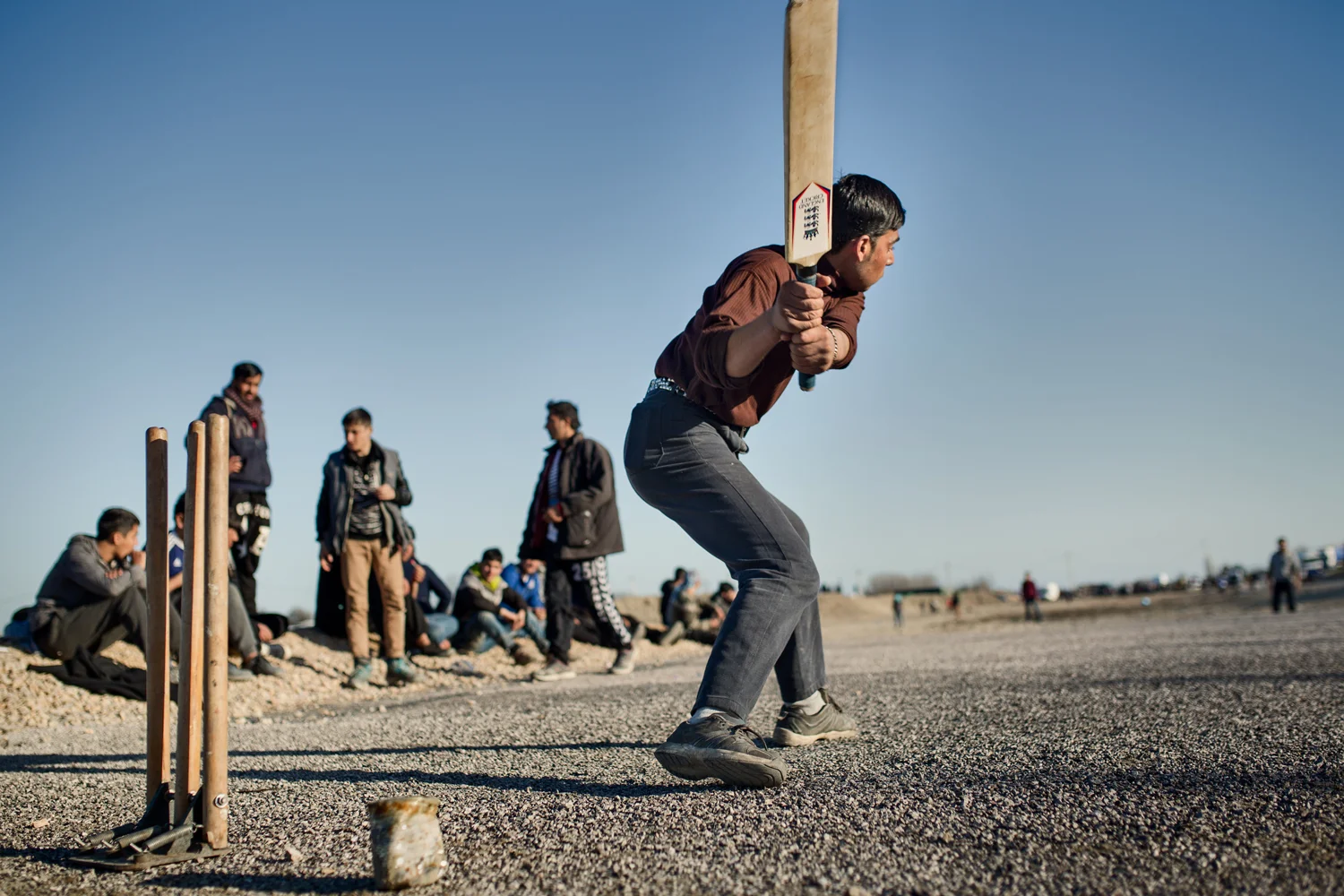
A young Afghan boy gets ready to hit a cricket ball as the sun sets in the Calais Jungle, France, March 2016. Sport in refugee camps is always an opportunity to escape from routine and revive happy sensations.
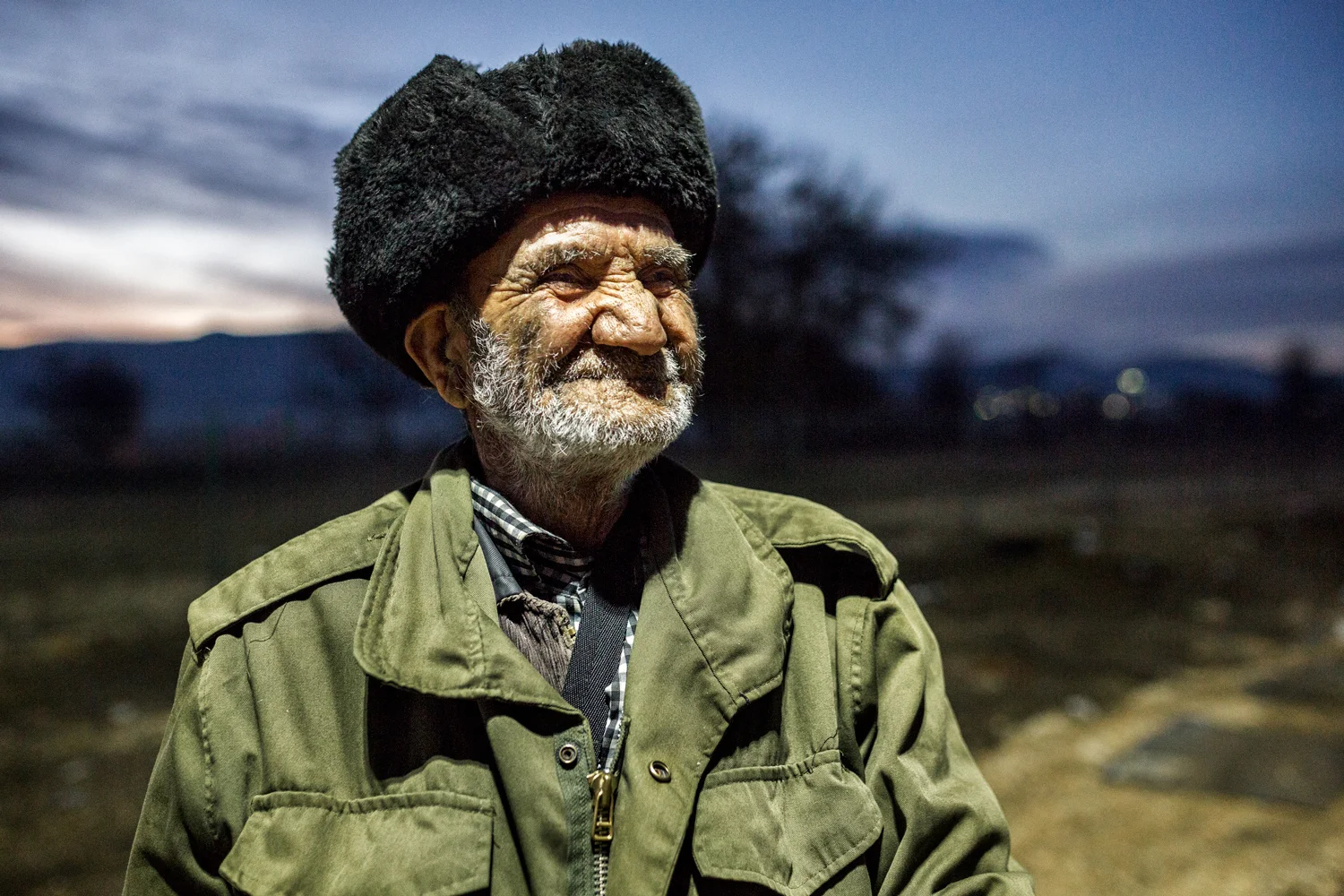
Muhammad, 75 Afghan, takes a moment to rest in Miratovac during his long journey. The elderly make up only five percent of refugees. Their reduced mobility and a high rate of chronic illnesses that they suffer means they are one of the most vulnerable groups.
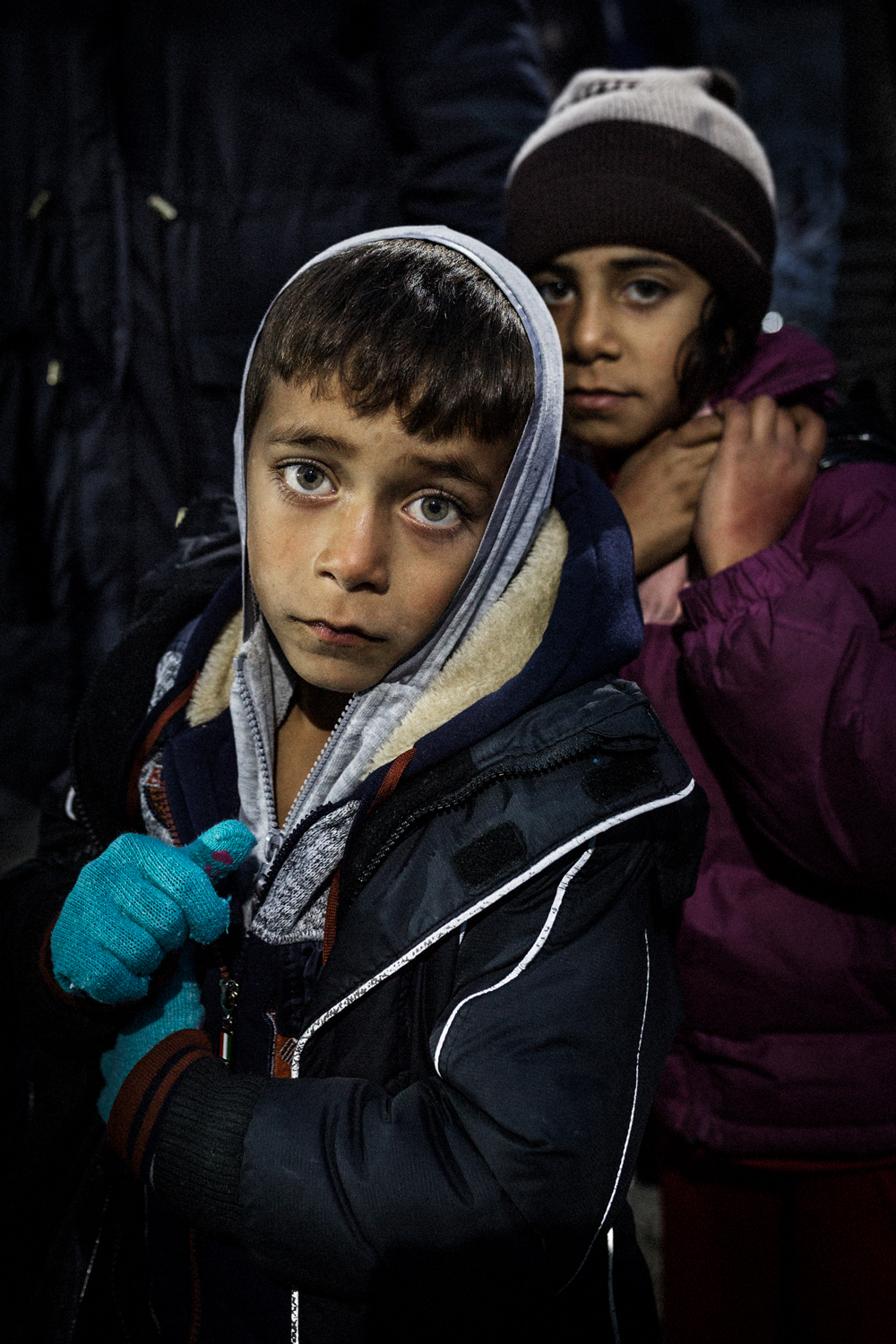
A Syrian child waits together his sister for the opening of the border pass between Greece and Macedonia, January 2016.
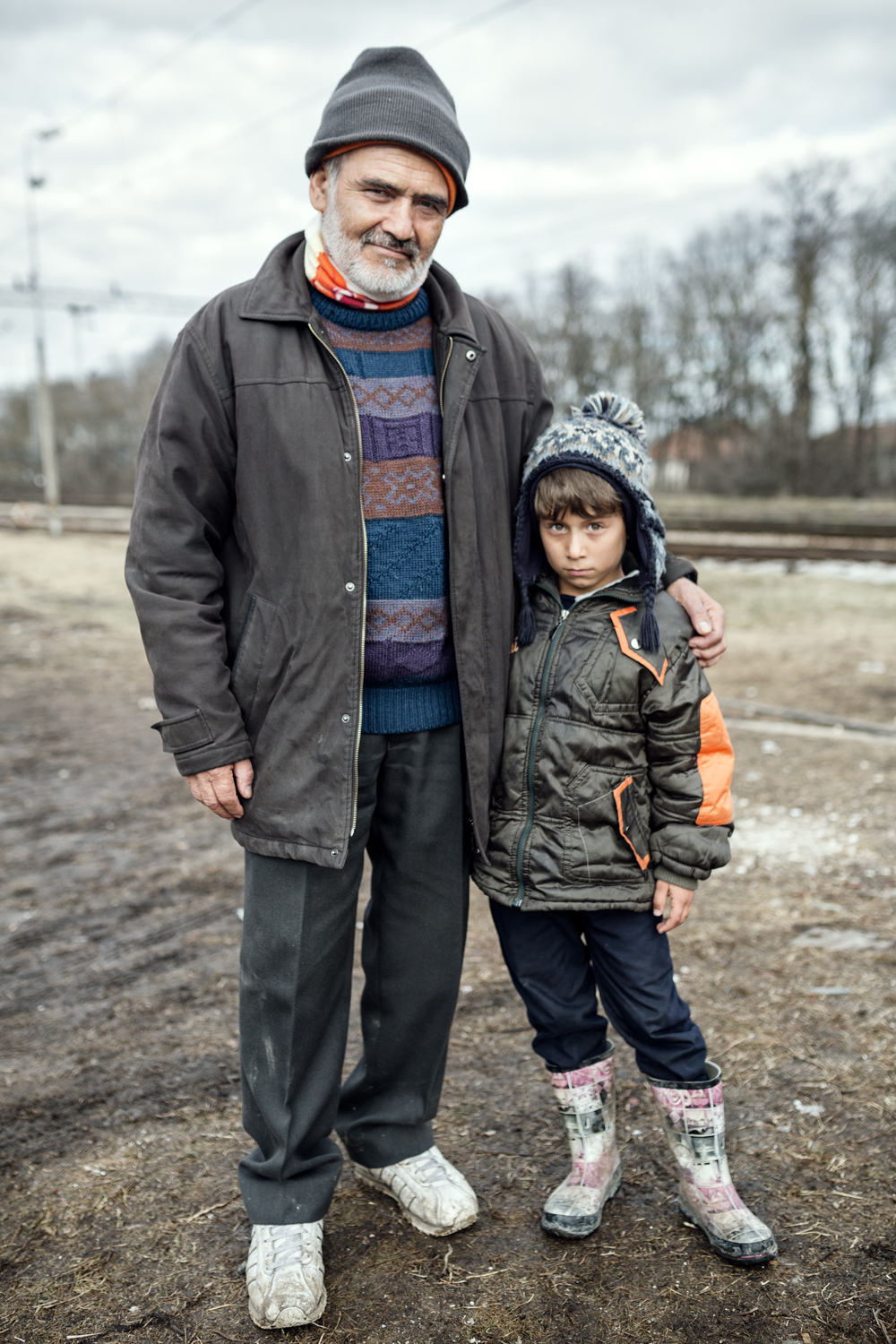
Abdala and his grandson, 6, wait for the train in Presevo station. Serbia, January 2016. They have traveled alone from Afghanistan on the way to the UK.
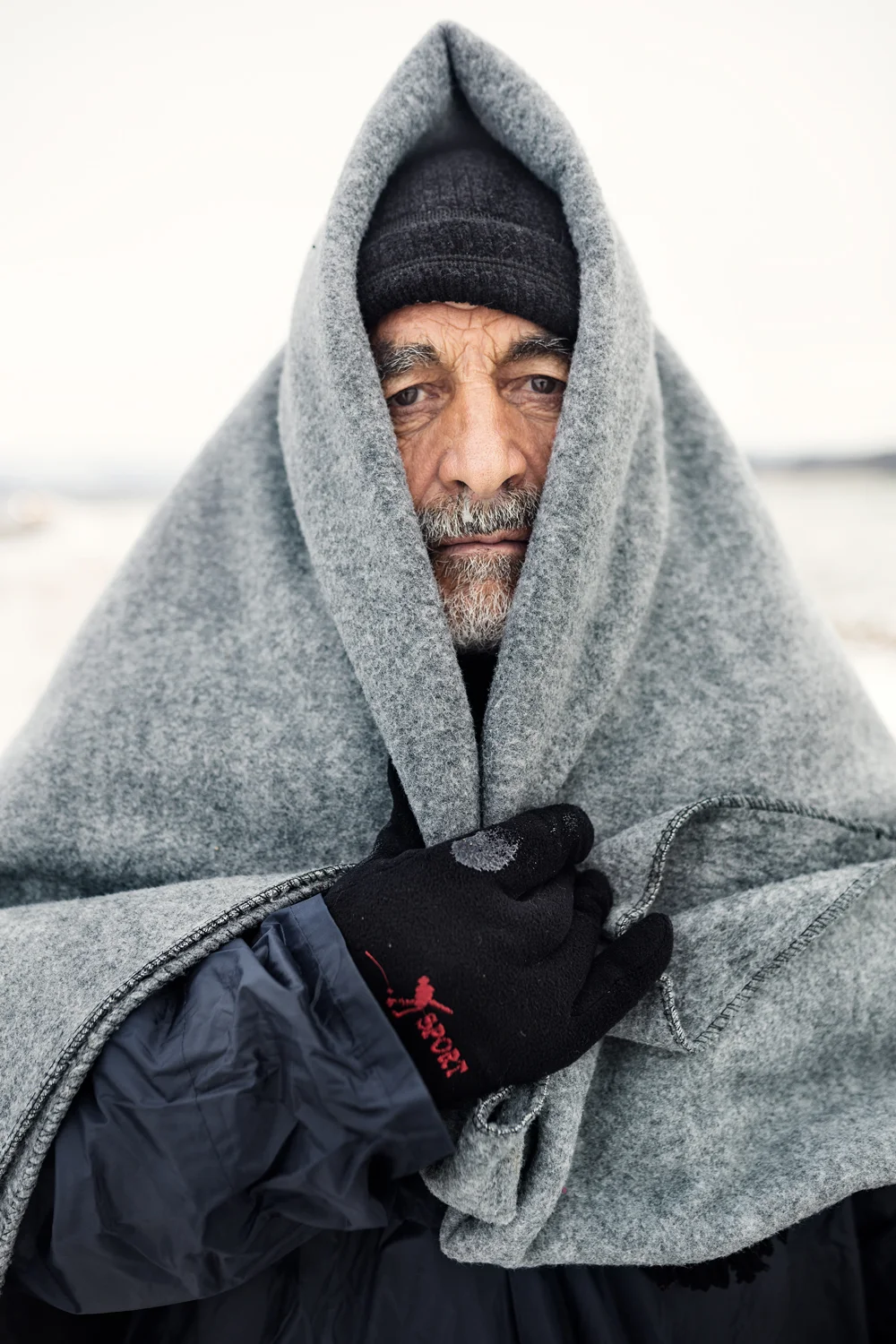
An elderly man covers his head with a blanket to protect himself from subzero temperatures next to Miratovac, Serbia, January 2016.
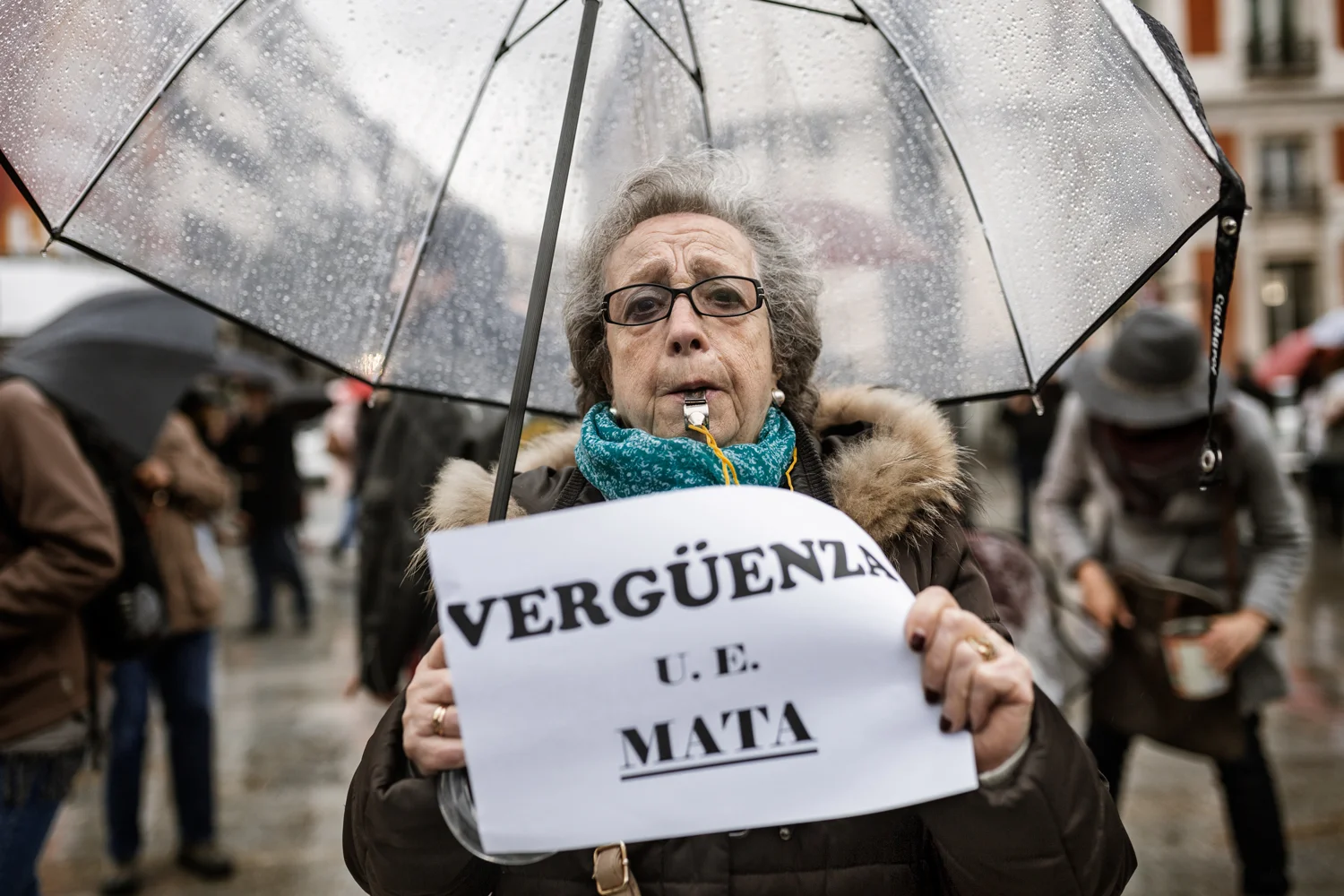
A woman takes part in a protest rejecting migration policies by the European Union, Puerta del Sol, Madrid, April 2016.
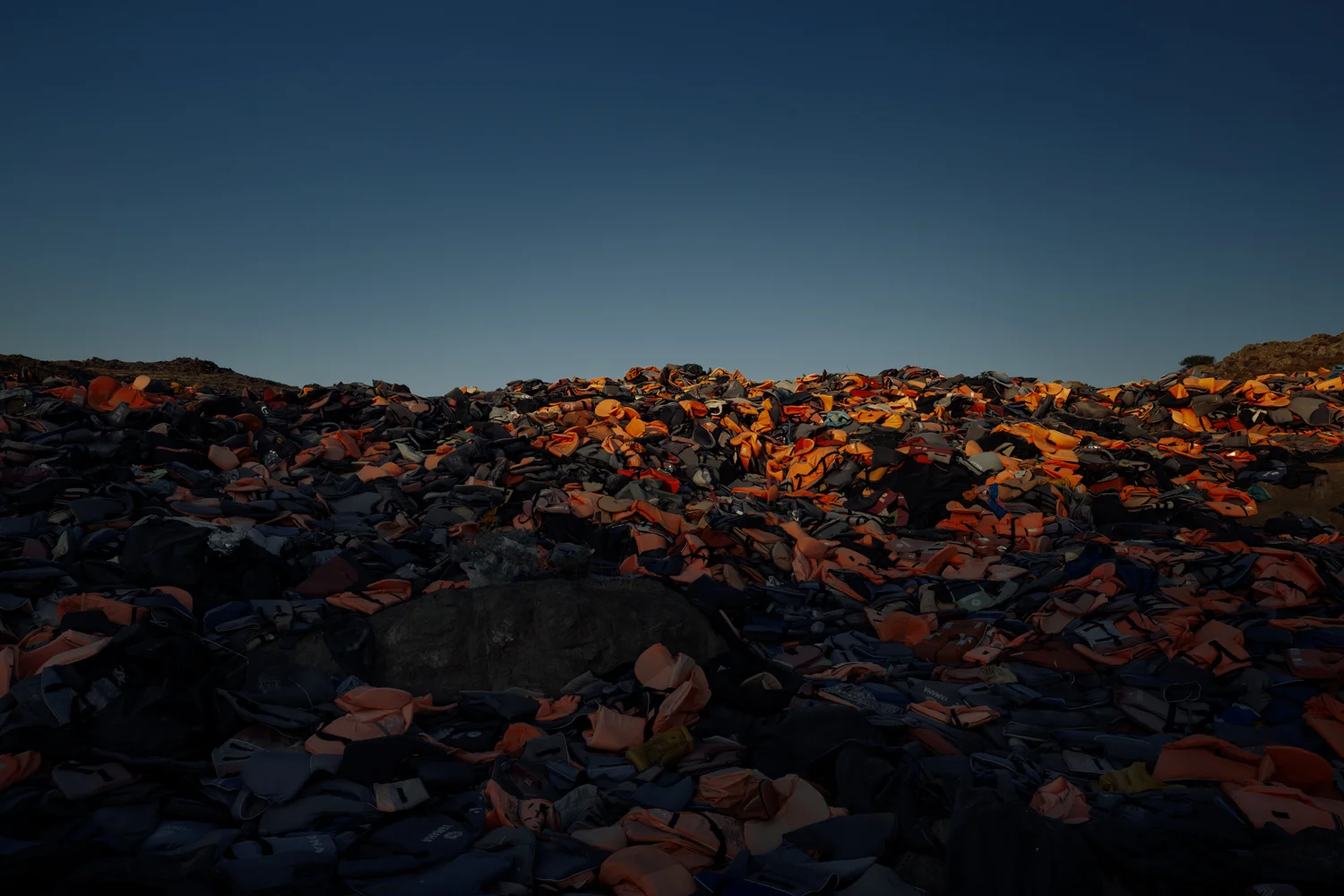
A dumping ground for lifejackets in the island of Lesbos, Greece, January 2016. This year more than three thousand people have lost their lives trying to reach European coasts in search of refuge.

show thumbnails